
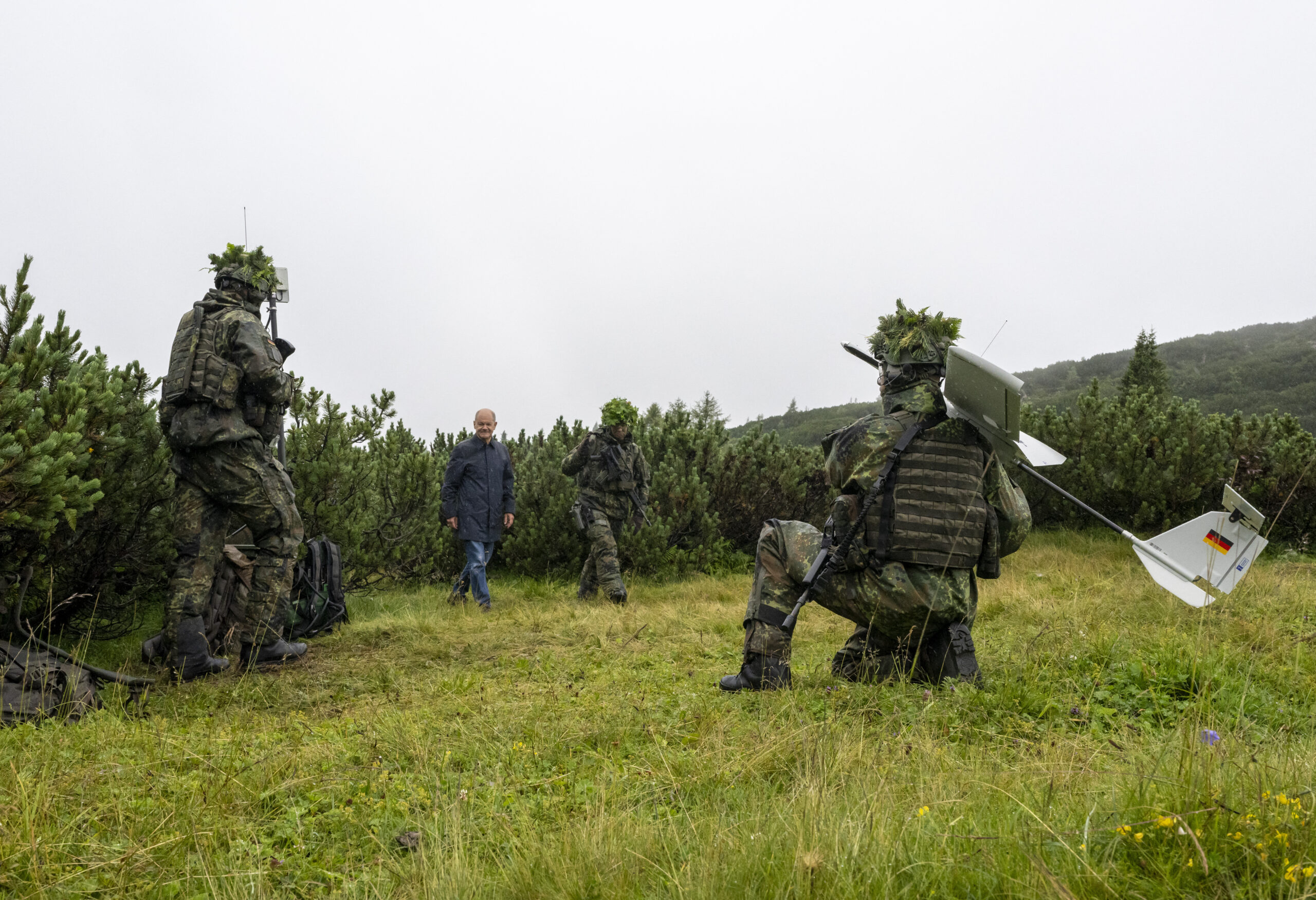
Germany’s armed forces have expanded to their highest staffing level in roughly 13 years, marking a notable milestone in the nation’s defense expansion efforts. The Bundeswehr currently has 186,700 active personnel, up 3,700 from the previous year.
The personnel growth successfully places the military within the federal government’s designated 2026 target window of 186,000 to 190,000 personnel. Furthermore, leadership within the German Defense Ministry anticipates that troop numbers will continue to rise before the end of the calendar year due to current recruitment efforts.
Force Breakdown and Long-Term Expansion Goals
The overall troop figures encompass several distinct categories of military service across the armed forces. Permanent career soldiers account for 61,500 members of the active roster, while another 113,000 troops serve under extended fixed-term contracts. The remaining force consists of 12,100 voluntary service personnel and recruits serving under shorter-term agreements, a specific demographic that saw a 6% year-over-year rise.
Interest in military careers has demonstrated marked momentum. By the end of July, the Bundeswehr had received 47,300 applications for military roles, reflecting a 26 percent increase over the previous year. Concurrently, recruitment intake jumped by 12 percent, bringing 15,400 newly hired service members into the ranks.
However, defense planners view these figures as preliminary steps toward far more ambitious goals. By the middle of the 2030s, Berlin intends to establish an active force of approximately 260,000 personnel alongside 200,000 reservists, a trajectory that will necessitate recruiting an additional 70,000 active-duty members over the coming decade.
New Recruitment Law and Survey Outreach
Central to this personnel surge is a reformed military service law that came into force in January. The framework seeks to expand the military primarily through voluntary recruitment while creating an organized registration mechanism that could support mandatory conscription should parliament ever choose to revive the practice.
Under this initiative, authorities initiated a major screening effort by distributing questionnaires to assess youth willingness and qualifications for defense roles. Inquiries were dispatched to 194,000 men, who were legally mandated to complete the form, as well as 184,000 individuals registered as women or another gender, who could participate optionally.
The inquiry achieved a 96 percent return rate among men, compared to 4 percent among other recipients. While completing the survey creates no legal obligation to enlist, the returned forms yielded 2,630 formal assessments, resulting in the selection of 865 candidates to begin service this year or in 2027.
Public Debate and Policy Clarifications
The legislative overhaul has nevertheless encountered political friction and public apprehension. Scrutiny mounted in April over a statutory provision requiring men aged 17 to 45 to obtain Bundeswehr permission before spending more than three months abroad. In response to public concern, the defense ministry clarified that this travel approval rule will remain unenforced so long as military enlistment stays voluntary.
Broader public skepticism also remains evident across the country. The passage of the military legislation last year prompted thousands of students to stage nationwide protests against the policy. In addition, survey findings from the German Center for Integration and Migration Research indicated that only 30 percent of Germans aged 18 to 28 support reinstating conscription, highlighting ongoing resistance among the country’s youth.


