
In a decisive move reflecting a rapidly changing security landscape, the Japanese Cabinet has officially endorsed a historic defense budget proposal of more than 9 trillion yen ($58 billion) for the upcoming fiscal year. This financial commitment, set to begin in April 2026, represents a 9.4% increase from the previous year.
It marks a significant milestone in the nation’s five-year roadmap to double its military expenditure to 2% of its gross domestic product (GDP), a target the administration of Prime Minister Sanae Takaichi now intends to meet two years ahead of schedule.
Defense Minister Shinjiro Koizumi has characterized the expenditure as the absolute minimum required to navigate what he describes as the most severe and intricate security environment Japan has faced in the post-war era. While the administration maintains that the nation remains committed to its pacifist ideals, the budget underscores a palpable shift toward a more robust, active military posture designed to protect the populace during uncertain times.
The Shift to Long-Range Deterrence
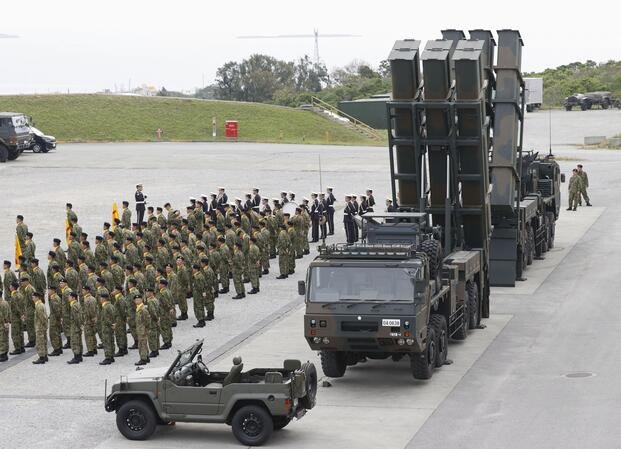
Central to this budgetary expansion is a departure from Japan’s traditional, strictly defensive limitations. The updated strategy emphasizes standoff capabilities, the ability to strike hostile targets from a safe distance. To facilitate this, the budget allocates more than 970 billion yen to advanced missile technologies.
A key component of this initiative is the acquisition and upgrade of domestically produced Type-12 surface-to-ship missiles, which boast a striking range of approximately 1,000 kilometers. In a sign of the government’s urgency, the initial deployment of these batteries to the southwestern Kumamoto prefecture has been moved up by a whole year, with operations expected to commence by March. This acceleration underscores the strategic importance of the southwest island chain, which lies on the periphery of the East China Sea.
Automation as a Force Multiplier
Japan’s defense planners are simultaneously battling a demographic crisis. With an aging population and a shrinking pool of recruits leading to chronic understaffing within the Self-Defense Forces, the government is turning to technology to fill the ranks.
The new budget earmarks 100 billion yen for implementing an unmanned defense network known as SHIELD. Scheduled for rollout in early 2028, this system aims to deploy a vast array of aerial, surface, and underwater drones for persistent surveillance and coastal defense. To ensure these systems are operational as quickly as possible, officials have indicated a preference for importing proven technologies, potentially sourcing hardware from manufacturers in Turkey or Israel rather than waiting for domestic development.
Escalating Regional Friction
The budgetary aggressive stance coincides with deteriorating diplomatic relations between Tokyo and Beijing. Tensions have flared following Prime Minister Takaichi’s recent assertion that Japan could militarily intervene should China take aggressive action against Taiwan.
Operational friction has also increased in the Pacific. The Japanese Defense Ministry has expressed alarm over recent maneuvers, including Chinese aircraft carriers operating near Iwo Jima and incidents involving radar locks on Japanese aircraft, actions Tokyo interprets as potential combat rehearsals.
In response to these developments, the Defense Ministry is establishing a new dedicated office to analyze and counter Beijing’s expanding naval footprint. Conversely, officials in Beijing have condemned the budget, accusing the Takaichi administration of abandoning Japan’s path of peaceful development in favor of dangerous military expansion.
Global Partnerships and Funding Challenges
To bolster its industrial base, Japan is deepening ties with allied nations. The fiscal plan includes substantial funding for the joint development of a next-generation fighter jet in collaboration with the United Kingdom and Italy, slated for deployment in 2035. Furthermore, Japan’s defense industry secured a significant win with Australia’s decision to contract Mitsubishi Heavy Industries to upgrade its naval frigate fleet.
However, the ambitious spending plan faces domestic hurdles. While the government is on track to meet its GDP spending targets, financing the buildup requires unpopular revenue measures. The administration plans to fund the expansion through hikes in corporate and tobacco taxes, as well as an income tax increase starting in 2027. The budget now moves to the parliament, where approval is required by March to ensure implementation.

