
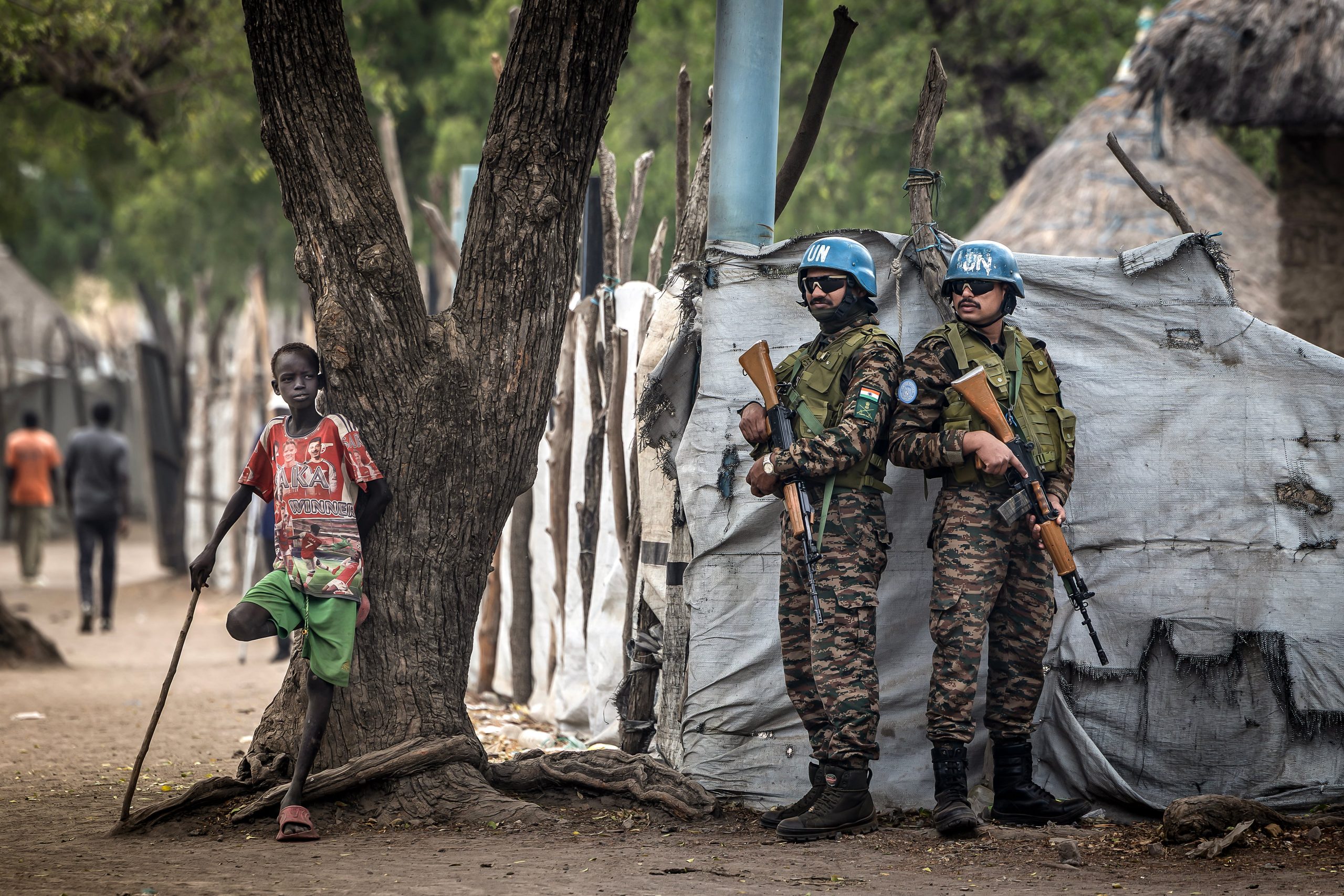
The number of military personnel participating in global peacekeeping missions has fallen to its lowest point in at least a quarter of a century, according to new data from the Stockholm International Peace Research Institute (SIPRI). A report released by the Swedish Institute indicates that a confluence of geopolitical tensions, severe funding shortages, and waning political will is threatening the very foundation of multilateral conflict management, potentially leaving a void that could lead to more frequent and devastating conflicts worldwide.
A Drastic Reduction in Forces
At the close of 2025, the total number of international peacekeepers deployed globally stood at 78,633. This figure represents a significant 17% decrease from the previous year and a staggering 49% drop since the end of 2016. Researchers at SIPRI attribute this sharp decline primarily to a financial crisis within the United Nations, stemming from delayed or unpaid contributions from major donor nations. This has forced abrupt and deep spending cuts across peace operations, most notably through the reduction of personnel in several key missions.
The consequences of this trend could be dire. Jaïr van der Lijn, a program director at SIPRI, explained that the current trajectory could lead to a severe weakening of international conflict management. He warned of a perfect storm of financial, political, and geopolitical pressures that could sideline institutions like the United Nations. This could result in an increase in global conflicts, with more severe consequences for civilian populations as established international norms are abandoned.
Geopolitical Tensions and Political Will
The report highlights that financial constraints are not the only driver behind the decline. Deepening geopolitical divisions have made it increasingly difficult to sustain existing operations or to garner support for new ones. SIPRI points to several factors exacerbating the pressure on multilateral peace operations. These include Russia’s involvement in African conflicts, which is impacting security governance on the continent, and actions by the United States under the Trump administration to undermine multilateralism. The U.S. has taken significant steps to withdraw from, defund, or challenge various UN bodies.
A clear example of these political struggles is the debate surrounding the UN Interim Force in Lebanon (UNIFIL). The U.S. has pushed for the termination of this long-standing mission, a decision slated for the end of December 2026, despite ongoing violations of a 2024 ceasefire agreement between Israel and Lebanon. This, combined with a slashed UN peacekeeping budget for 2025-2026, now at its lowest in at least a decade with a $5.38 billion ceiling, signals a diminishing role for the UN in global conflict management.
The Shifting Landscape of Peace Operations
In 2025, the majority of peace operations, 34 in total, were led by regional organizations and alliances, although the UN’s 18 operations accounted for 67% of all deployed personnel. Sub-Saharan Africa remains the primary theater for these missions, hosting 70% of all peacekeepers. The largest UN operations were the Multidimensional Integrated Stabilization Mission in the Central African Republic (Minusca) and the UN Mission in South Sudan (Unmiss).
However, SIPRI researcher Claudia Pfeifer Cruz noted that regional organizations often lack the essential capabilities for successful, integrated peacebuilding. They are also frequently hampered by their own funding issues and internal disagreements. As UN-led efforts recede, these alternative models are proving unable to fill the growing gap, leaving global stability in a precarious position. Interestingly, the top ten contributors of military and police personnel to these missions were all from the Global South, with nations like Uganda, Nepal, Bangladesh, and India providing the largest troop contingents.

