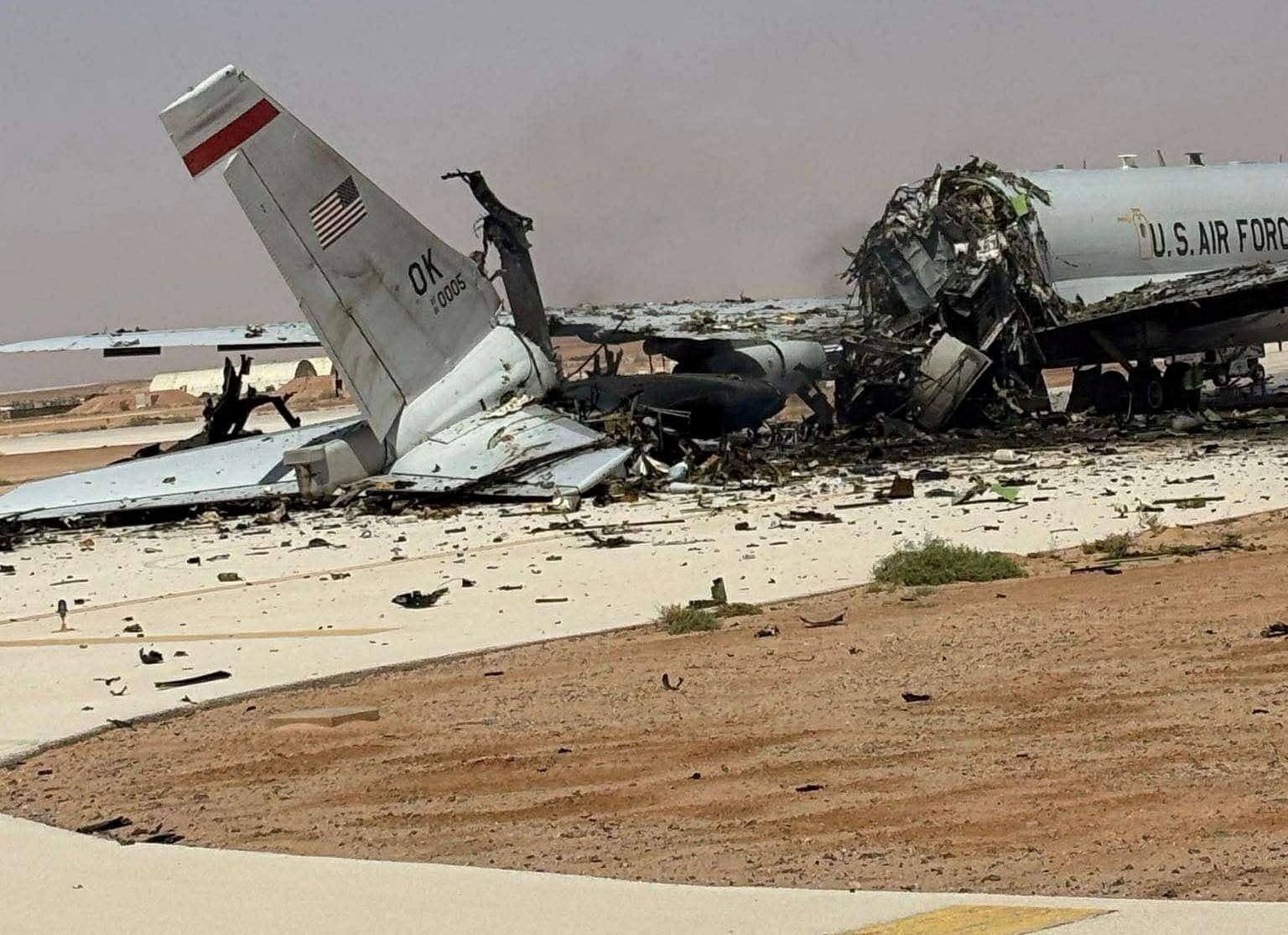
The United States Air Force is actively pursuing a novel ground-based missile defense framework designed to specifically shield its military installations from complex aerial threats. In a recently published formal inquiry, the military branch reached out to industry contractors, requesting proposals for a new launcher capable of neutralizing both incoming cruise missiles and uncrewed aerial vehicles.
The primary objective is to acquire a reliable defense mechanism to safeguard valuable military assets stationed at installations worldwide. Defense manufacturers and technology firms interested in developing this critical infrastructure have until the first week of August to submit their preliminary concepts and operational capabilities. This initiative marks a significant step toward bolstering the security of vulnerable operational hubs.
Broad Threat Spectrum and System Requirements
This upcoming defense mechanism must be highly versatile, capable of addressing an exceptionally wide range of hostile aircraft. According to the solicitation, the technology must be able to intercept everything from small, lightweight kamikaze drones weighing under 21 pounds to massive, heavy-duty uncrewed aerial vehicles exceeding 1,300 pounds.
To effectively counter these diverse and potentially overwhelming threats, the desired platform must possess robust ammunition reserves. Defense officials require comprehensive metrics regarding the overall capacity of the system’s magazines and its sustained firing rates. Furthermore, the ground-based launcher must be a highly mobile, self-sufficient unit that seamlessly integrates into existing command-and-control networks. It should feature a laser illuminator to assist with accurate targeting, onboard integrated sensing equipment, and rapid data-sharing capabilities to quickly cue weapons toward incoming targets. Planners established eleven baseline attributes emphasizing affordability, easy transportation, low staffing requirements, and automated diagnostics.
Driving Forces Behind the Urgent Request
The urgency surrounding this inquiry stems largely from recent escalations and damage to allied bases in the Middle East. Earlier this spring, foreign bombardments inflicted severe damage on critical infrastructure at overseas airbases. Those attacks resulted in the complete destruction of a high-value surveillance aircraft, inflicted significant damage on at least five aerial refueling tankers, and obliterated several vital air defense radar systems.
Furthermore, military strategists are closely observing the ongoing conflict in Eastern Europe. The extensive use of continuous drone and missile swarms has demonstrated how easily traditional air defenses can become overwhelmed. These continuous barrages rapidly deplete stockpiles of interceptor munitions, underscoring the absolute necessity of deep-magazine defense systems capable of withstanding prolonged, concentrated aerial bombardment without requiring constant resupply.
A Shift in Strategic Airfield Reliance
The effort to acquire an independent ground-based launcher reflects a broader strategic shift within the military branch. Historically, there has been an ongoing internal debate over airfield defense, with some strategists arguing that the branch must stop relying so heavily on sister branches for its primary air defense needs. Planners have pointed out that remote and expeditionary bases often lack access to sophisticated, long-range interceptor systems. At the same time, native security forces are generally not equipped to handle complex aerial bombardments.
To guide the development of this new system, contractors have been directed to consult foundational joint military publications that outline strategies for countering airborne threats. Planners hope this guidance will ultimately lead to an affordable, easily transportable, and highly effective defense solution.