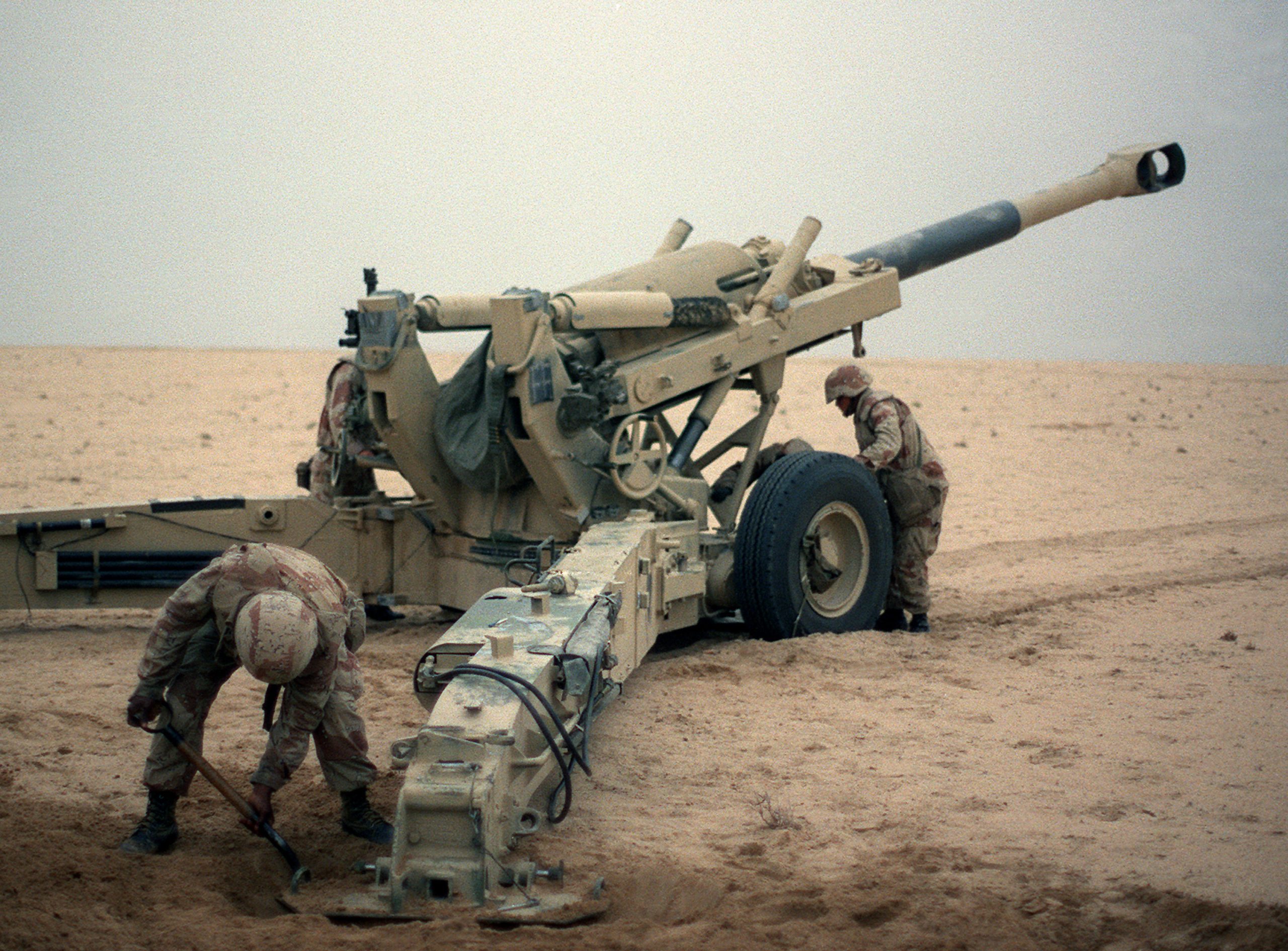
A Defense Department watchdog report revealed that a newly constructed ammunition facility in Mesquite, Texas, has failed to manufacture usable 155mm artillery parts over its two-year existence. Managed by General Dynamics Ordnance and Tactical Systems, the site opened in the spring of 2024.
As of early 2026, it had not produced a single metal projectile component meeting military specifications. The watchdog report emphasized that the establishment of this facility cost the military heavily. Investigators noted that the government invested nearly half a billion dollars into the site, suggesting these funds might have been better allocated to other pressing defense priorities.
Depleted Stockpiles and Ambitious Targets
The push to increase manufacturing stems from a significant drop in national munitions inventories. Over four years, the military saw its stockpile of 155mm artillery shells decrease by more than 3.5 million rounds. The vast majority were shipped to Ukraine as part of security assistance packages initiated by the executive branch, while hundreds of thousands more were used for domestic training or sold to foreign allies.
Recognizing this rapid consumption, defense planners established aggressive manufacturing targets to replenish the dwindling reserves in 2024. The objective was to increase monthly output from fourteen thousand shells to one hundred thousand by the autumn of 2025. The Texas facility was intended to be a cornerstone of this expansion, with a capacity to contribute 30,000 parts per month.
Missing the Mark
Current output remains significantly behind schedule. As of early 2026, the military is producing only 36,000 shells per month, a figure military representatives recently confirmed remains unchanged. The primary factor behind this shortfall is the plant’s complete lack of production. Because of these ongoing delays, defense managers estimate that by the fall of 2026, the overall network will generate only 71,000 rounds per month. This represents just over seventy percent of the original target, relying exclusively on the three other fully functioning facilities currently manufacturing the necessary projectile components across the country.
Identifying the Root Cause
The inspector general attributed the facility’s failure to defense officials accepting unnecessary operational risks by approving a manufacturing strategy reliant on untested equipment. When production issues surfaced, military officers issued a stop-work order in late summer 2025 to assess the project’s viability and address the widespread technical failures stalling the assembly lines. The defense contractor and the military have since established a revised plan to salvage the operation, which will require additional financial investments from the operating company to complete the project.
Evolving Warfare and Broader Industrial Challenges
While immediate pressure for artillery has eased slightly due to changing combat tactics in Ukraine favoring drone warfare, the production delays highlight systemic vulnerabilities. The struggle to replenish basic munitions raises alarms about domestic industrial capacity to manufacture advanced weaponry quickly. These concerns are currently magnified by the conflict with Iran, which demands sophisticated equipment like Patriot interceptors and Tomahawk missiles. In response, military leaders requested a massive budget increase this year, seeking over $70 billion to secure advanced missile systems and related hardware, a nearly threefold increase from the previous year.