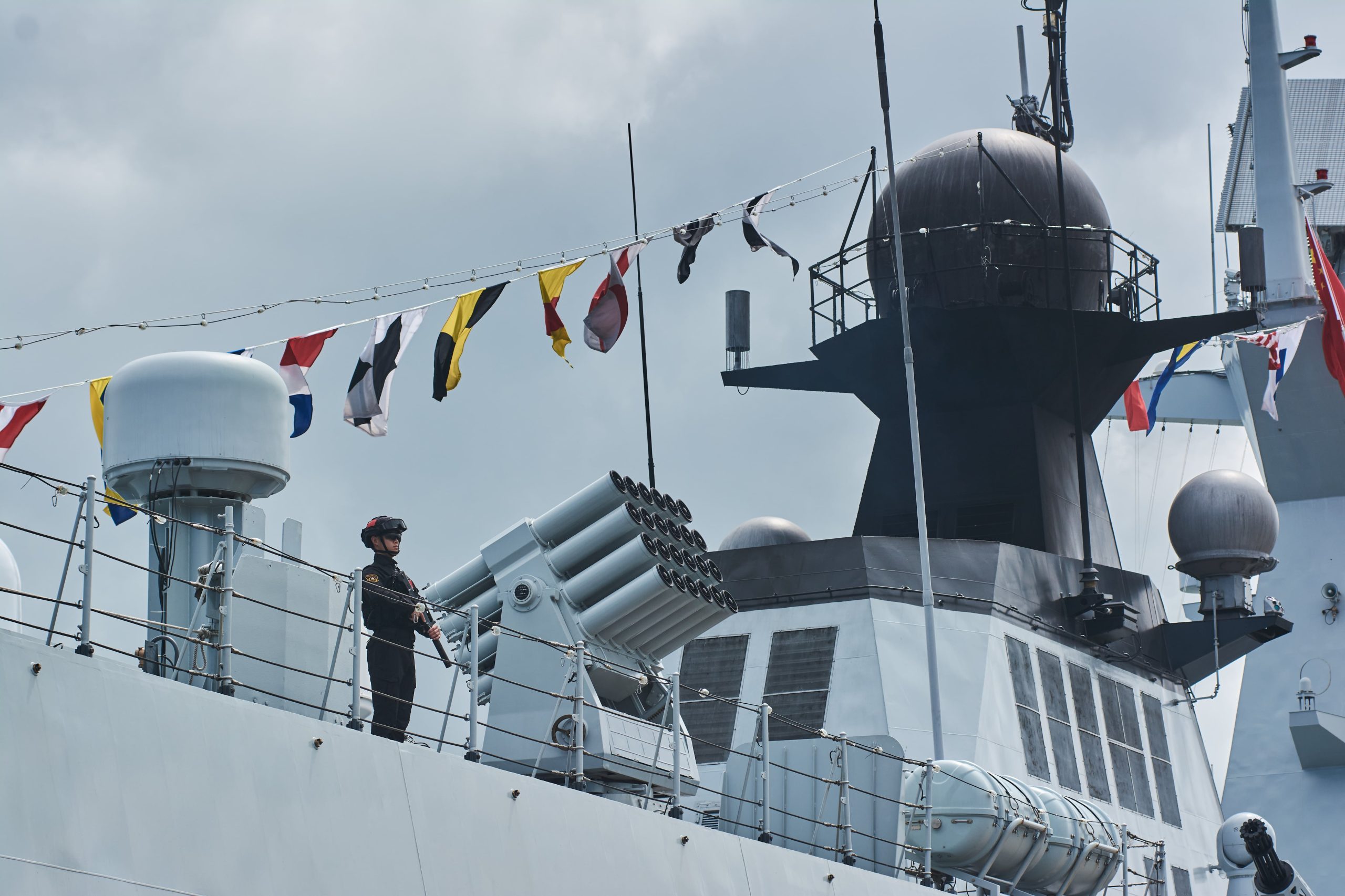
A new study suggests the United States Navy would face severe challenges repairing and redeploying damaged warships during a potential military conflict with China. According to RAND Corporation findings, American maintenance hubs would likely experience severe bottlenecks, exacerbated by a shortage of replacement parts and by uncertain support from regional allies.
The research indicates that the current maritime repair infrastructure is ill-prepared for the high volume of damage that modern weaponry, including anti-ship ballistic missiles, hypersonic weapons, and submarine torpedoes, would inflict on the surface fleet. Consequently, disabled ships would struggle to quickly return to active combat.
Simulating Conflict in the Indo-Pacific
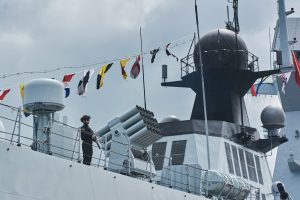
The research utilized an exercise conducted in late 2025 to simulate how the military would manage repairs for its primary surface combatants, the Arleigh Burke-class destroyers, which form the core of the surface fleet. This exercise examined various combat scenarios near the islands of Taiwan and the Philippines, including collisions and heavy missile damage inflicted by adversarial aircraft and naval vessels.
The results highlighted a stark contrast in logistical readiness between the two competing powers. While Chinese forces would operate close to their highly capable domestic shipyards, American vessels would be forced to navigate highly contested waters just to reach distant and potentially congested facilities. Furthermore, the report emphasized that the American fleet has not encountered this scale of vessel damage since the Second World War, exposing a deep gap in operational experience and preparedness.
Bottlenecks and Diplomatic Complications
During the simulation, researchers identified significant communication breakdowns and logistical confusion. Military planners frequently applied peacetime regulatory standards to simulated wartime emergencies, which severely slowed down critical decision-making. Command structures also conflicted, with logistics teams proposing repair options that operational commanders had already dismissed due to ongoing combat risks. This friction highlighted a lack of alignment between those managing the logistics in-theater and those directing active combat missions from external command centers.
Additionally, American participants demonstrated limited familiarity with the specific capabilities and locations of ports belonging to critical regional partners like Japan, Australia, and South Korea. While these allied nations initially showed a strong willingness to cooperate and assist the United States, researchers warned that this support might quickly falter if those countries faced direct threats of military retaliation from Beijing for aiding American warships.
Compounding these diplomatic challenges, the physical logistics of repairing ships proved incredibly daunting. A lack of standardized parts meant that even vessels of the same class could not easily share components, further delaying the restoration of crucial combat systems.
Strengthening Expeditionary Capabilities
To address these vulnerabilities, the report advises the United States Navy to overhaul its command structure to allow for quicker decision-making regarding damaged assets. This includes establishing clear, pre-negotiated agreements with foreign partners to guarantee access to their dry docks and repair facilities during a crisis.
Additionally, the study recommends expanding mobile maintenance capabilities. By investing in highly deployable assessment teams, rapid-response evaluation units, and flexible, expeditionary repair facilities that can operate closer to the front lines, the military could better sustain its presence in a contested environment and maintain its maritime dominance in the Pacific.